

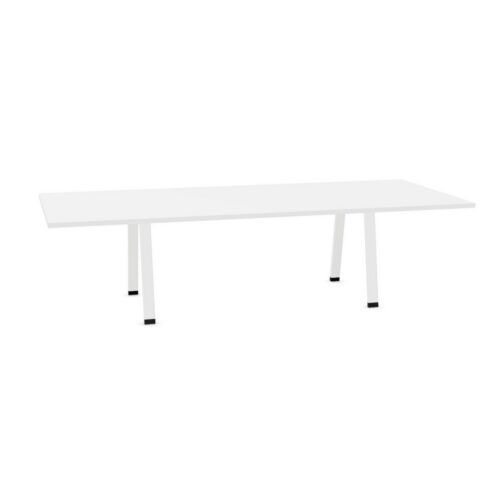
Rectangular Meeting Surfaces With Brown Bases

Conference tables with rectangular tops and brown bases combine a defined meeting outline with a base color that can be considered alongside flooring, seating and storage. Brown describes the color of the supports; assess its actual appearance in the room rather than assuming a particular visual relationship. The rectangular top gives you straight edges for organizing discussion and a clear direction to consider for presentations.

Begin by deciding where attention belongs during typical meetings. A group exchanging documents across the surface has different layout priorities from a group mainly watching a display. Check both if the room serves both purposes. Then review the area beneath and around the tabletop, including chair approach, support placement and circulation past the corners. Once those relationships work, compare the brown with nearby finishes. Looking from the entrance and from occupied seats helps you judge how the base participates in the complete arrangement.

3 models
From €20.05 p/m
2 models
From €28.04 p/m
€31.41 p/m
€11.34 p/m
2 models
From €19.95 p/m
2 models
From €10.48 p/m
7 models
From €41.00 p/m
8 models
From €54.73 p/m
4 models
From €51.25 p/m
8 models
From €41.00 p/m
2 models
From €30.93 p/m
€42.11 p/m
2 models
From €53.77 p/m
2 models
From €2.13 p/m

Conference Tables With Rectangular Tops and Brown Bases

Assess brown in relation to the surfaces nearest the supports. The floor is a useful starting point because its color appears directly beside the base. Chair frames and nearby storage may introduce further relationships. Decide if you want these elements to look closely related or visibly distinct. A shared color name does not guarantee the same appearance, so compare the actual brown with its surroundings under normal room lighting. Keep the rectangular outline in view during this assessment: it organizes the meeting area above the supports, while the base color contributes to the composition below. Neither decision needs to determine every other finish in the room.

Making Opposing Seating Work for Discussion

A rectangular surface creates clear opposing sides, but the discussion arrangement still needs thought. Consider who shares information across the table and whether an end position has a useful role. Avoid assigning a permanent focal seat simply because the outline makes one possible. If meetings involve a facilitator, assess where that person can address the group and reach shared information. Include the door route so people arriving or leaving can move without crossing the main exchange. Check the plan with chairs in use, paying particular attention to circulation behind them. The straight edges provide structure, while the meeting format determines how that structure is used.

Reviewing Brown Beside Existing Furniture

Brown-base rectangular conference tables can relate to existing room colors without requiring all furniture to share the same appearance. Compare the base with seating and storage as a group rather than making isolated pairings. If several browns are visible together, decide whether their differences contribute to the intended arrangement. You can also leave brown concentrated beneath the table and use other colors around it. Consider the view through the doorway, where adjacent workplace furniture may enter the composition. Then compare the seated view, where nearby chairs and the tabletop are more prominent. These perspectives help establish a deliberate relationship with what is already present.

Checking Supports Before Finalizing Chair Positions

Base color does not establish where the supports meet the tabletop or floor. Review the actual arrangement beneath the intended seating positions, including the ends if those will be used. For rectangular meeting tables with brown bases, chair approach and room circulation deserve equal attention. A position may appear suitable along a straight edge yet be awkward because of nearby room furniture or a walking route. Check how someone moves a chair backward and steps away from the table. Revisit any corner near a doorway or shared cabinet. This practical review should guide the final furniture arrangement before color coordination is treated as complete.

Compare how conference tables with rectangular tops and brown bases relates to chair positions and shared views in the intended room.

Assess conference tables with rectangular tops and brown bases alongside circulation and the meeting's main viewing direction.

FAQ: Brown Bases and Rectangular Discussion Layouts

Does brown need to match the floor?

No. A deliberate contrast can work alongside a close visual relationship. Compare the colors together in the room and include chair frames, which may create another connection between the base and surrounding furniture.

Is an end seat necessary for a facilitator?

No. Choose the facilitator's position according to how information is shared. An end may suit some meetings, while another position may provide a more useful relationship with colleagues and the presentation area.

How should an existing chair arrangement be assessed?

Place it in the proposed plan for rectangular conference tables on brown bases. Check access beneath the top, movement behind occupied chairs and the colors visible together from the entrance and seated positions.

Explore related selections