

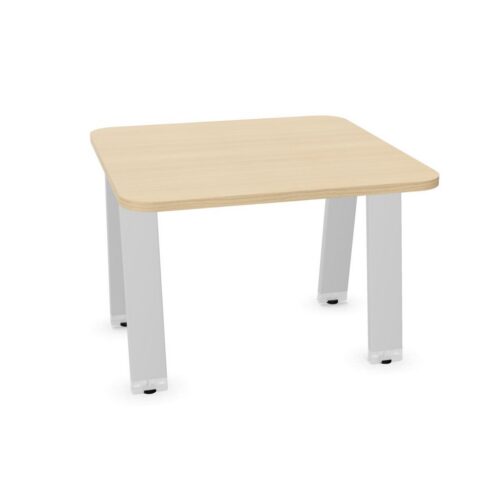

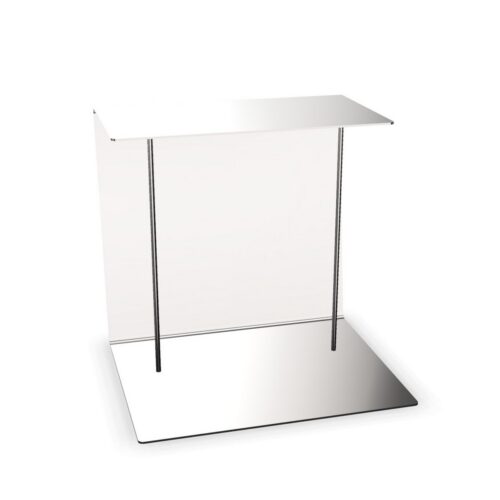
Lounge Furniture With Square Tops and White Surfaces

lounge furniture with square tops and white surfaces suits seating arrangements where a clearly defined tabletop helps organize the space between people. The square outline introduces equal sides and a regular geometry, while the white surface establishes a light color reference within the group. Together, these attributes offer a useful starting point for planning reception seating, informal meeting areas, and shared workplace lounges.

Start with the relationship between the top and the surrounding seats. A square can sit centrally within a balanced arrangement or align with a sofa to create a more directional composition. Consider which edges people will approach, where personal belongings will sit, and how the white surface relates to nearby seating colors. The most useful comparison is between complete arrangements: the top, the seating positions, and the open floor around them. Assessing these elements together gives the shape and color a clear purpose in the room.

2 models
From €19.09 p/m
€13.37 p/m
€6.38 p/m
2 models
From €19.27 p/m
€21.83 p/m
2 models
From €16.83 p/m
2 models
From €7.59 p/m
2 models
From €27.04 p/m
€5.00 p/m
€4.57 p/m
3 models
From €9.37 p/m

Planning lounge furniture with square tops and white surfaces

A square top provides a straightforward reference for organizing seats around a shared surface. Its equal sides make different orientations easy to compare on a floor plan, although the arrangement still depends on the surrounding furniture. Begin by deciding whether the table belongs to a conversation group, a sofa, or an individual seat.

The white surface adds a separate visual consideration. Against darker seating, it may become a prominent element; among pale surroundings, its outline may be less pronounced. Review the combination from the entrance and from seated positions before deciding how strongly the tabletop should become prominent.

Let seating positions determine placement

When planning lounge furniture with square tops and white surfaces, identify the seats that will actually share the top. A position that looks symmetrical from above can still leave someone reaching across an awkward gap. Place the seating first, then test the tabletop against the intended pattern of use.

Keep the route into each seat legible. Pay particular attention to corners that project toward an approach path and to spaces where people turn between seats. The aim is a coherent arrangement in which the square belongs to the group without occupying the same space as its access routes.

Use repetition with a clear organizing rule

Repeated square tops can establish a consistent layout across several lounge groups. Decide whether their edges should follow the room, the seating, or another fixed reference. Using one rule makes repetition easier to read, especially where groups sit near each other but serve different activities during the working day.

Repetition does not require every group to face the same direction. A rotated square changes its relationship to the seating and brings its corners into different positions. Compare that arrangement deliberately, checking the resulting gaps and approaches rather than assuming that a diagonal position will improve the composition.

Assess white as part of the room

Evaluate lounge furniture with square tops and white surfaces alongside the colors that surround the tabletop. White seating, pale floors, and darker upholstery each create a different relationship with the same top. Decide whether the table should provide a visible center or sit quietly within a restrained palette.

Examine the actual surface appearance under the lighting intended for the space. Color alone does not establish sheen, texture, or care requirements. Confirm those details separately, and consider how everyday objects will affect the composition when the surface is in use rather than looking only at an empty arrangement.

Frequently asked questions

Should the square follow the sofa or the room?

Follow the relationship that matters most to the arrangement. Alignment with the sofa emphasizes the seating group; alignment with the room reinforces the wider layout. Compare both from the main approach, then check that the resulting corners and gaps suit the way people enter the seats.

How can several white square tops feel coordinated?

Give them a consistent role. They might each mark the center of a seating group or sit in the same relationship to individual seats. Coordination comes from repeating that placement logic and checking the surrounding open space, rather than relying on color alone.

What should be compared beyond shape and color?

For lounge furniture with square tops and white surfaces, compare the complete outline, the position of the supporting structure, and its relationship to the seats. Confirm surface details separately. These checks help establish whether the combination suits the planned arrangement and everyday use.

Explore related selections